France has formally accused Iran of a cyber sabotage campaign that disrupted refrigeration systems at more than 700 supermarkets and retail sites overnight on October 11 and 12, spoiling food and reportedly causing at least 15 fires.
What France says happened
On November 9, France’s foreign ministry attributed the attacks to Shahid Kaveh, a hacking unit it links to Iran’s Islamic Revolutionary Guard Corps. Officials described it as the first cyber campaign carried out on French soil purely for sabotage. France summoned Iran’s ambassador and said it will push for European sanctions. Iran has denied responsibility.
According to French authorities, the attackers reached poorly secured, internet-exposed controllers that manage commercial fridges and freezers, then pushed temperatures up. Stores had to throw away large amounts of food, and France’s blood service moved frozen plasma and samples to secure storage as a precaution.
A second wave across Europe
In early November, similar attacks hit refrigeration equipment at stores in Belgium, Luxembourg, Sweden, Ireland, the Netherlands, Estonia and Finland. Those incidents have not been officially attributed. The FBI and CISA have also warned about attacks on industrial refrigeration and cold-chain systems worldwide.
The lesson for businesses
Everyday equipment, fridges, HVAC, building controls, is now connected to the internet, often with default passwords. Businesses should:
- Remove control systems from direct internet exposure or put them behind a VPN
- Change default passwords and update firmware
- Set temperature alerts that work independently of the controller
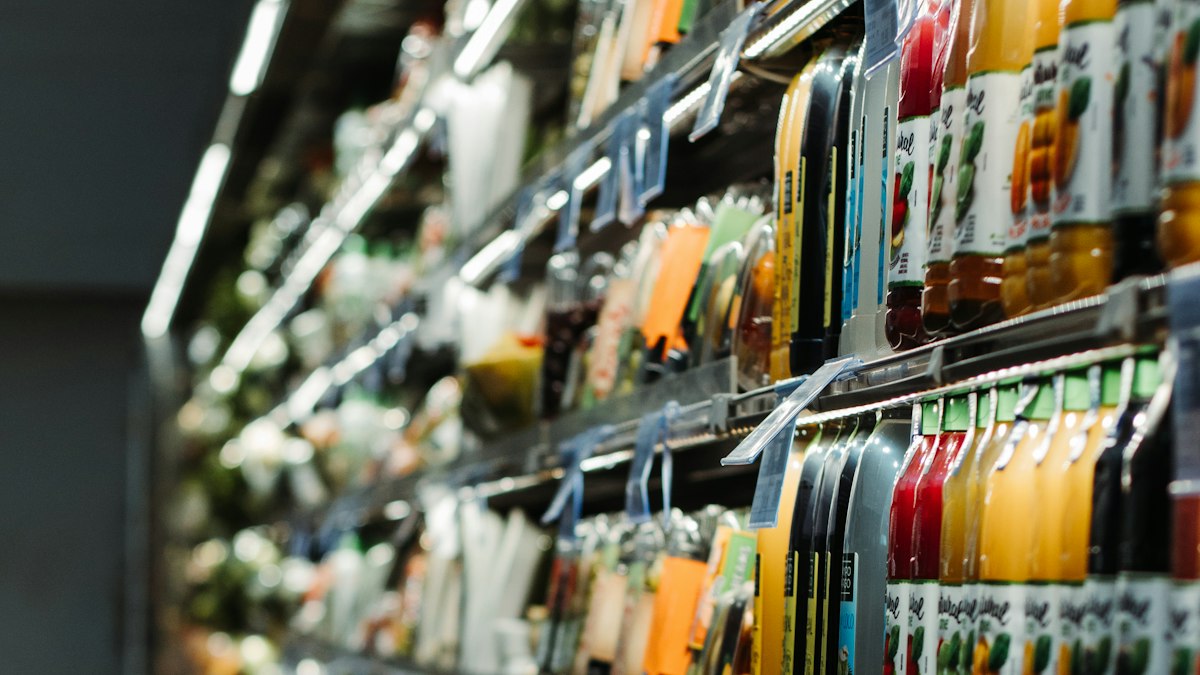
Featured image: Representative photo via Unsplash