New York has become one of the first places in the United States to hit pause on a whole product category: toys that talk to children through an AI chatbot. Governor Kathy Hochul signed the law on Tuesday, November 24, 2026, at a toy store in Harlem, just as holiday shopping began.
What the law does
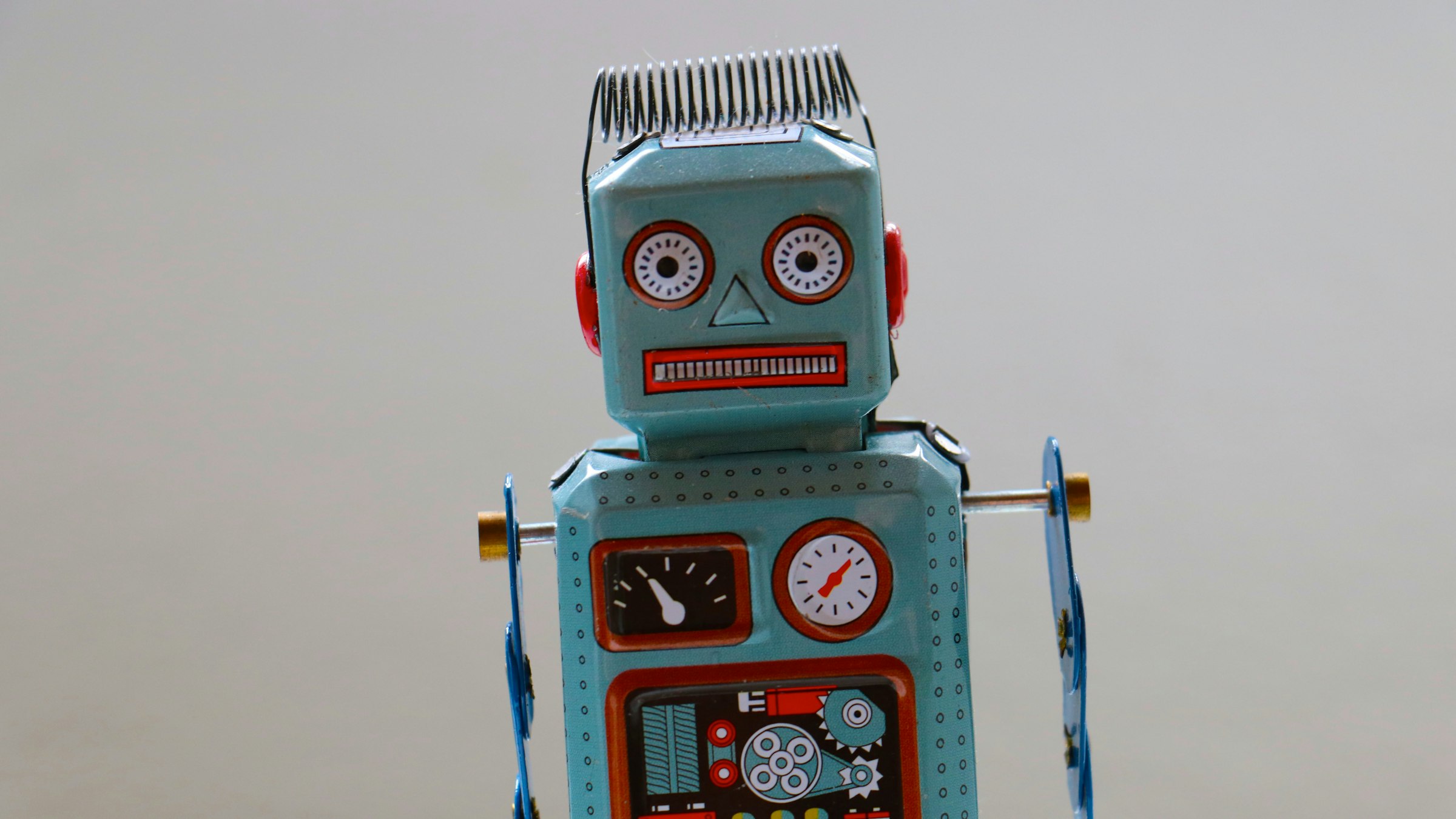
The legislation sets a five year moratorium on making, distributing or selling toys that have an embedded chatbot. The Governor’s office describes the covered products as talking stuffed animals, dolls and robots that use the internet to hold conversations with kids. Violations can bring civil penalties of up to $15,000 per day per violation.
The ban does not start right away. It takes effect 90 days after signing, which Malwarebytes calculates as February 22, 2027. That means the toys can legally stay on shelves and in online carts through Christmas, a point Hochul herself stressed when she urged parents and caregivers to weigh the risks before buying.
Why lawmakers acted
The push followed testing by consumer watchdogs. The U.S. PIRG Education Fund tested seven AI toys this year and found problems that read like a parent’s worst case. In some tests, toys drifted into sexually explicit topics or told researchers where to find dangerous objects around the house. Some products had few or no parental controls, and several manufacturers would not say which large language model powered their toy.
That last point matters for security as much as for child safety. A toy with a microphone and a cloud connection sends a child’s voice to servers the family cannot inspect. Parents rarely know what is recorded, how long it is kept, or which third party model processes it.
What it means for buyers and makers
For parents, the practical lesson is that the law does not make today’s toys safer. It only schedules a stop date. If you are still considering one, check independent safety reviews, look for a privacy policy that names what data is collected, and confirm you can turn the chatbot off or use the toy offline. Put the device on a separate guest network if your router supports it, and review the companion app permissions.
For makers, the signal is hard to ignore. A blanket ban treats a toy that passed testing the same as one that failed, which critics are likely to raise. Supporters answer that the technology moves faster than child safety testing can, and a pause gives regulators time to build standards. Other states have also moved on chatbot toys, so a patchwork of rules is becoming likely for anyone selling nationally.
What to watch next
Expect pressure on retailers to pull stock before February, questions about whether federal agencies will set one national standard, and possible legal challenges over how broadly a chatbot toy is defined. For now, the clearest effect is a warning from the state itself: the products are legal this December, and the people who regulate them are telling you to think twice.
Sources: Fox 5 NY, Quartz, Malwarebytes, The Epoch Times, Boing Boing.
Featured image: Representative photo via Unsplash