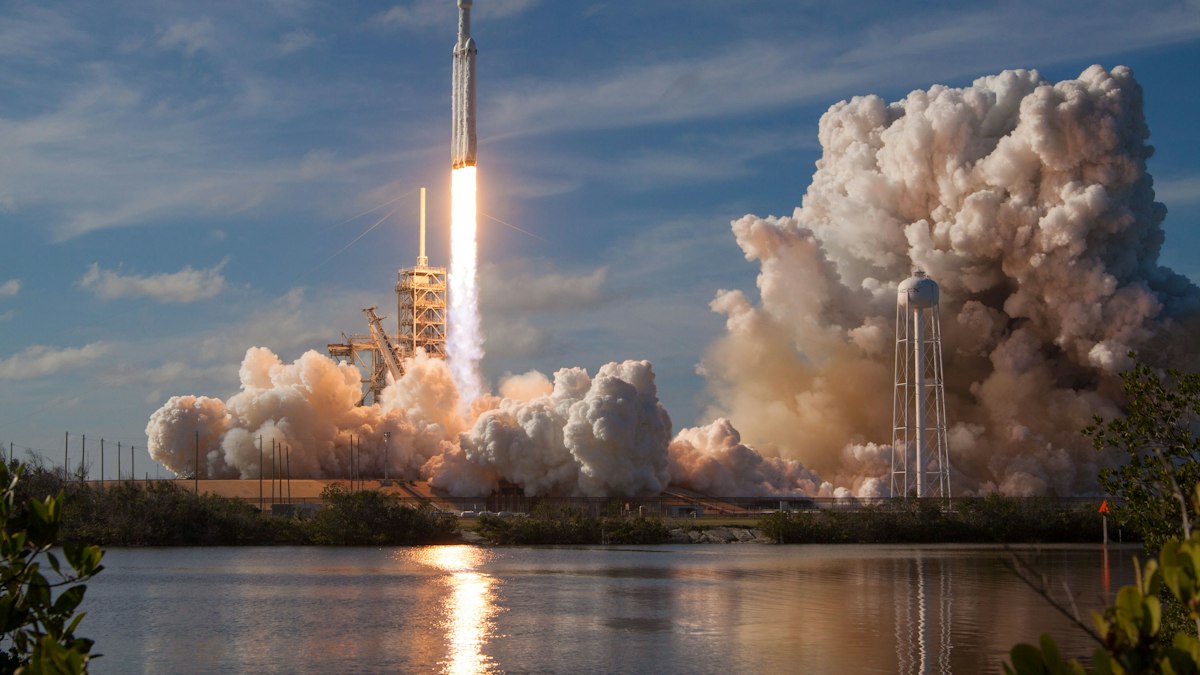
SpaceX launched Starship Flight 15 from Starbase, Texas, on November 13. The upper stage reached orbit and released all 26 next-generation Starlink V3 satellites it was carrying, completing the main goal of the mission.
What happened
- Liftoff came at 22:47 UTC (5:47 p.m. Eastern).
- The ship began releasing satellites about 35 minutes after launch, and all 26 were deployed within roughly 42 minutes.
- The new V3 Super Heavy booster was supposed to fly back and be caught by the launch tower’s “chopstick” arms, but the catch was called off and the booster came down in the Gulf of Mexico.
- The ship’s own tower-catch attempt was planned for the following day, after a flight of more than 22 hours.
Why Starlink V3 matters
Starlink V3 satellites are much larger than earlier models and can only launch on Starship. SpaceX says each one adds far more network capacity, which should eventually mean faster, more reliable satellite internet for users. This was the second batch of V3 satellites to reach orbit, after Flight 14 in September.
What’s next
SpaceX’s goal is to catch and reuse both stages of Starship after every flight. Doing that reliably would make launches much cheaper and is key to its plans for Starlink, Moon landings for NASA, and eventually Mars.
Featured image: Representative photo via Unsplash